Finding the Relevance of Aluminum Foundry in Sustainable Design Practices
Aluminum foundries are significantly identified for their essential function in sustainable engineering. By recycling light weight aluminum and using cutting-edge technologies, they add to resource conservation and decreased exhausts. This method cultivates a circular economic situation, improving product top quality while reducing ecological impact. The journey towards sustainability in metal casting is fraught with difficulties and possibilities that warrant more exploration. What exists ahead for light weight aluminum foundries in the mission for a greener future?
The Function of Aluminum Foundries in Resource Conservation
Aluminum foundries play an essential role in source conservation by efficiently recycling light weight aluminum products. These facilities are crucial in changing scrap light weight aluminum right into top quality items, thus minimizing the demand for brand-new light weight aluminum removal. The procedure entails melting down used aluminum products, which calls for significantly less energy than creating aluminum from raw bauxite ore. By making use of existing products, foundries aid decrease greenhouse gas emissions associated with mining and refining processes.
Additionally, light weight aluminum foundries add to lose reduction by diverting scrap from land fills, promoting a more sustainable technique to source monitoring. They commonly team up with sectors to collect post-consumer and post-industrial light weight aluminum waste, boosting the total recycling infrastructure. This practice not just conserves natural deposits however likewise sustains the economic situation by developing jobs and cultivating innovation in lasting engineering methods. Via these efforts, aluminum foundries exemplify a dedication to environmental stewardship and source effectiveness in manufacturing.
Recycling and Repurposing: A Round Economic Situation Method
The idea of a round economic climate is increasingly gaining traction in numerous sectors, including aluminum foundries. This technique emphasizes the relevance of recycling and repurposing materials to reduce waste and maximize source use. In light weight aluminum foundries, reusing entails redeeming scrap aluminum from production processes and end-of-life items, significantly minimizing the requirement for virgin products. This not just saves natural deposits yet additionally decreases power consumption related to light weight aluminum production.
Repurposing, on the various other hand, entails transforming discarded aluminum products into new, practical items, consequently expanding their life process. By taking on these techniques, light weight aluminum foundries add to a lasting manufacturing ecosystem that focuses on environmental duty. The combination of reusing and repurposing within the light weight aluminum sector straightens with more comprehensive sustainability objectives, driving development and enhancing the financial feasibility of round economic climate principles (Aluminum Foundry). Ultimately, this technique promotes durability within the market while lowering its eco-friendly impact
Ingenious Technologies Changing Aluminum Casting
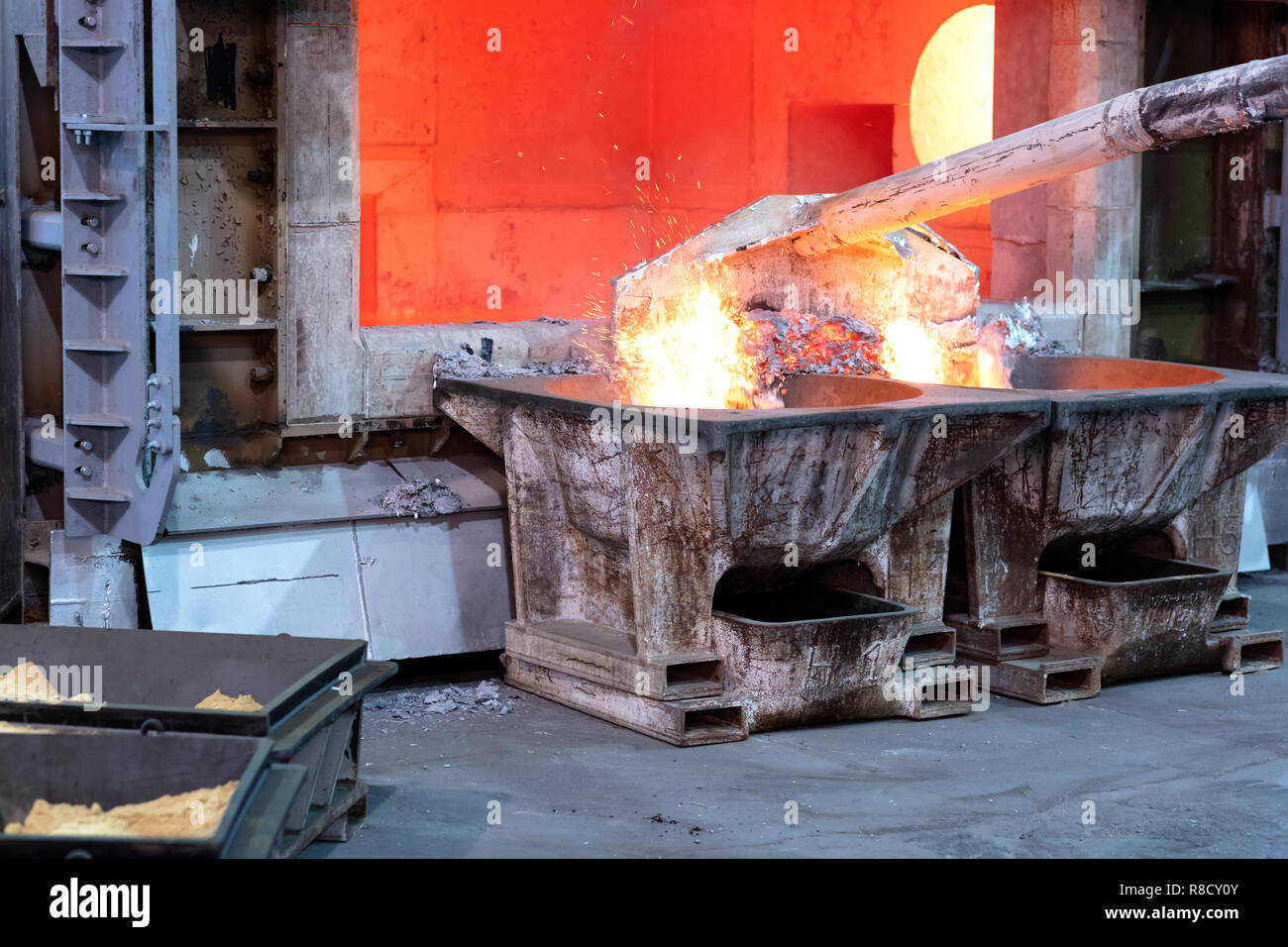
Innovative technologies are improving the light weight aluminum spreading sector by introducing advanced molding techniques that boost accuracy and performance. In addition, the advancement of eco-friendly alloys is promoting sustainability while maintaining efficiency requirements. Automation in casting procedures even more improves production, lowering waste and energy intake.
Advanced Molding Techniques
Eco-Friendly Alloy Development
As the demand for lasting methods in making grows, the advancement of environmentally friendly light weight aluminum alloys has arised as a vital emphasis within the light weight aluminum casting market. These innovative alloys aim to lower environmental effect while keeping superior performance characteristics. Researchers are discovering the incorporation of recycled materials and safe components, which not only decrease the carbon impact but likewise boost source efficiency. Advanced techniques, such as making use of bio-based ingredients, are being investigated to enhance alloy properties without jeopardizing sustainability. Furthermore, collaborations in between academic community and sector are cultivating the production of alloys tailored for details applications, ensuring that environment-friendly choices satisfy the strenuous needs of modern engineering. This commitment to sustainability positions the aluminum casting industry as a leader in responsible manufacturing practices.
Automation in Casting Processes
While the aluminum casting industry welcomes sustainability, automation in casting procedures is simultaneously revolutionizing production efficiency and quality. Advanced technologies such as robotic arms, computer system mathematical control (CNC) equipments, and expert system are improving operations, reducing labor costs, and decreasing human mistake. These technologies make it possible for exact control over casting parameters, ensuring regular item high quality and decreasing material waste. In addition, automated systems can keep an eye on real-time data, enabling prompt changes to enhance click to read more performance. Consequently, makers can enhance their sustainability initiatives by boosting resource application and decreasing energy intake. The combination of automation not only fulfills the growing demand for high-grade light weight aluminum components yet also aligns with eco-friendly methods, noting a significant improvement in the aluminum shop sector.
Reducing Carbon Footprints Via Sustainable Practices
A substantial reduction in carbon impacts can be achieved with the implementation of lasting practices in aluminum foundries. By taking on energy-efficient innovations, foundries can decrease energy intake, thereby decreasing greenhouse gas emissions. Furthermore, the assimilation of recycled aluminum considerably reduces the requirement for basic material extraction, which is resource-intensive and adds to ecological degradation.
Carrying out advanced melting techniques, such as induction melting, can likewise boost efficiency and decrease exhausts. In addition, optimizing the casting procedure via automation and monitoring can reduce waste and power use.
The Impact of Aluminum Foundries on Different Industries
Aluminum foundries play a considerable function across different markets, offering lightweight and sturdy products that improve product efficiency and sustainability. In the vehicle industry, aluminum spreadings add to fuel efficiency by reducing lorry weight, eventually resulting in lower exhausts. The aerospace industry gain from light weight aluminum's strength-to-weight ratio, making it possible for the production of more reliable aircraft layouts. In building, light weight aluminum elements supply rust resistance and longevity, making structures much more lasting in time. The electronic devices sector uses light weight aluminum for its excellent thermal conductivity, which is crucial for heat dissipation in gadgets. Additionally, aluminum foundries sustain the manufacturing of durable goods, providing visually pleasing and useful products. As markets significantly focus on sustainability, the function of aluminum foundries ends up being extra critical, making sure that products not just meet performance requirements yet use this link also line up with ecological objectives. Consequently, the impact of light weight aluminum foundries expands throughout multiple industries, driving advancement and advertising lasting techniques.
Challenges and Opportunities in Sustainable Metal Casting
As industries endeavor for sustainability, the difficulties and chances in sustainable metal casting become progressively popular. One considerable difficulty is the environmental effect of conventional casting processes, which frequently involve high power usage and discharges. Furthermore, the requirement for proficient labor in lasting methods positions difficulties for many foundries. However, possibilities are plentiful with improvements in innovation, such as the combination of energy-efficient techniques and making use of recycled products. Highlighting the circular economy, foundries can lower waste and reduced costs while enhancing product top quality. Cooperation among stakeholders, including distributors and clients, can result in cutting-edge techniques that promote sustainability. Furthermore, governing pressures encourage foundries to take on greener practices, changing difficulties right into opportunities for growth. By dealing with these challenges, the steel spreading market can place itself as a leader in sustainable design, ultimately adding to a more ecologically responsible future.
Future Patterns in Aluminum Foundry Practices for Sustainability
Cutting-edge Recycling Strategies
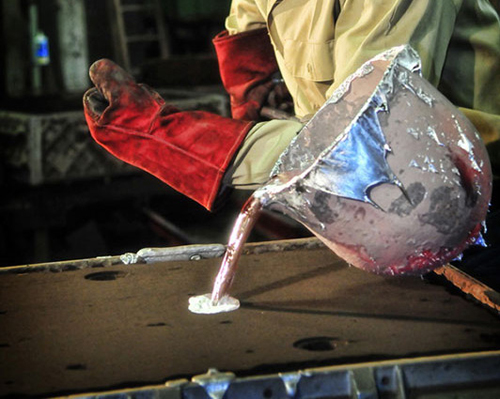
While the need for sustainable practices continues to rise, cutting-edge recycling strategies are arising as critical solutions within the light weight aluminum foundry sector. Advanced approaches such as closed-loop recycling are acquiring grip, enabling the repurposing of scrap light weight aluminum directly back into the manufacturing procedure. This method not only decreases waste yet likewise reduces the carbon impact connected with aluminum manufacturing. Furthermore, the advancement of sophisticated sorting modern technologies improves the efficiency of reusing operations, ensuring high-grade feedstock for foundries. Methods like hydrometallurgical recycling more enhance source healing, enabling the removal of valuable products from complex light weight aluminum alloys. As these innovations advance, they significantly add to a much more lasting aluminum shop sector, aligning with international environmental objectives.
Energy-Efficient Spreading Techniques
Cutting-edge recycling techniques lead the way for improvements in energy-efficient spreading methods within the light weight aluminum shop market. These approaches focus on reducing energy usage and minimizing waste throughout the casting procedure. Strategies such as die casting and investment spreading are being improved to enhance thermal effectiveness and reduce cycle times. Additionally, the combination of wise modern technologies and automation enables real-time tracking and optimization of power usage. Researchers are additionally exploring alternative materials and ingredients that can further boost energy effectiveness (Aluminum Foundry). The shift in the direction of sustainable techniques is not merely governing; it shows a growing market demand for greener products. As energy-efficient spreading techniques evolve, they promise to significantly decrease the carbon impact of light weight aluminum manufacturing while keeping quality and efficiency criteria
Frequently Asked Questions
What Are the Environmental Benefits of Aluminum Foundries Compared to Various Other Steels?
Aluminum foundries offer significant environmental benefits, consisting of reduced power intake, lowered greenhouse gas exhausts, and recyclability. Contrasted to various other steels, light weight aluminum's lightweight nature improves fuel efficiency in transportation, more adding to sustainability in numerous sectors.
Just How Do Aluminum Foundries Add To Regional Economic Climates and Job Creation?
Aluminum foundries play an essential role in local economic situations by creating work chances and supporting ancillary sectors. Their procedures promote economic development, boost labor force abilities, and foster area advancement through financial investment in neighborhood facilities and services.
What Precaution Are Carried Out in Aluminum Foundry Workflow?
Precaution in aluminum foundry procedures include individual safety equipment, air flow systems to decrease direct exposure to fumes, routine equipment upkeep, security training for employees, and rigorous adherence to market regulations to minimize risks and assurance employee security.
How Can Consumers Support Lasting Practices in Aluminum Manufacturing?
Consumers can sustain sustainable techniques in aluminum production by picking products made from recycled light weight aluminum, advocating for eco-friendly sourcing, and sustaining companies dedicated to reducing their carbon impact and executing liable manufacturing procedures.
What Qualifications Should Aluminum Foundries Go After for Sustainability Acknowledgment?
Aluminum foundries should go after qualifications such as ISO 14001 for environmental administration, LEED for environment-friendly building, Read More Here and the Aluminum Stewardship Effort criteria to gain recognition for their dedication to sustainability and liable production methods.